
Effective Music Marketing Tips to Grow Your Audience
Music, Marketing Tips
Music Marketing Tips & Best Practices to Grow Your Audience
Whether you are an independent artist or part of a label-backed act, smart music marketing can be the difference between a song that disappears and a career that grows steadily. These practical tips and best practices will help you promote your music with focus, clarity, and confidence.
Start with Clear Goals and a Focused Brand
Effective music marketing begins long before you post a teaser or pitch a playlist. It starts with knowing who you are as an artist and what you want from your next release. Define a simple, realistic goal for each campaign: more streams, email sign-ups, ticket sales, or pre-saves. A clear goal helps you choose the right platforms, content formats, and timelines instead of trying everything at once and burning out.
Your brand is the story that connects all your songs, visuals, and posts. Think about your sound, personality, and values. Are you intimate and vulnerable, bold and energetic, or experimental and left-field? Use that identity to guide your visuals, captions, and even how you speak on camera, so fans recognize you instantly across platforms.
Essential Music Marketing Tips for Everyday Promotion
Once your foundation is set, you can turn to specific music marketing tips that keep momentum going between releases and during big campaigns. Consistency matters more than perfection, so aim for small, repeatable actions you can sustain over time.
Show the process, not just the product. Share short clips of songwriting, rehearsals, studio sessions, or soundcheck moments. Fans love feeling invited behind the scenes rather than only seeing polished music videos.
Use short-form video to test hooks. Platforms like TikTok, Instagram Reels, and YouTube Shorts are ideal for testing different parts of a song, visuals, or stories. Notice which clips people watch to the end, save, or share, then double down on that angle in your wider campaign.
Make it easy to follow you everywhere. Place clear links to your streaming profiles, website, and mailing list in your bio and descriptions. Use a simple link hub so fans never have to search for your music or tour dates.
Ask for specific actions. Instead of “Check out my new track,” try “Hit save on Spotify if you want more songs like this” or “Comment your favorite lyric.” Clear calls to action often lead to better engagement and stronger signals to algorithms.
💡 Pro Tip: Treat every new song like a season of a show: build anticipation, release episodes of content, and end with a strong finale.
Best Practices for Releasing and Promoting New Music
When it is time to release a single, EP, or album, following a few best practices can dramatically improve your results. Think of your release as a three-part journey: before, during, and after launch day. Each phase deserves its own plan rather than relying on a single announcement post.
Before release: Announce early, share snippets, reveal artwork, and invite pre-saves or pre-orders. Reach out to blogs, playlisters, and local media with a short, clear pitch and links to your best previous work so they can understand your sound quickly.
On release day: Celebrate across all platforms, pin key posts, and go live if possible. Encourage your closest supporters—friends, collaborators, and early fans—to share links, add the track to their personal playlists, and tag you in their stories.
After release: Keep telling new angles of the same story. Share lyric breakdowns, acoustic versions, fan-made videos, or performance clips. A song often needs weeks or months of thoughtful promotion, not just a single weekend push.
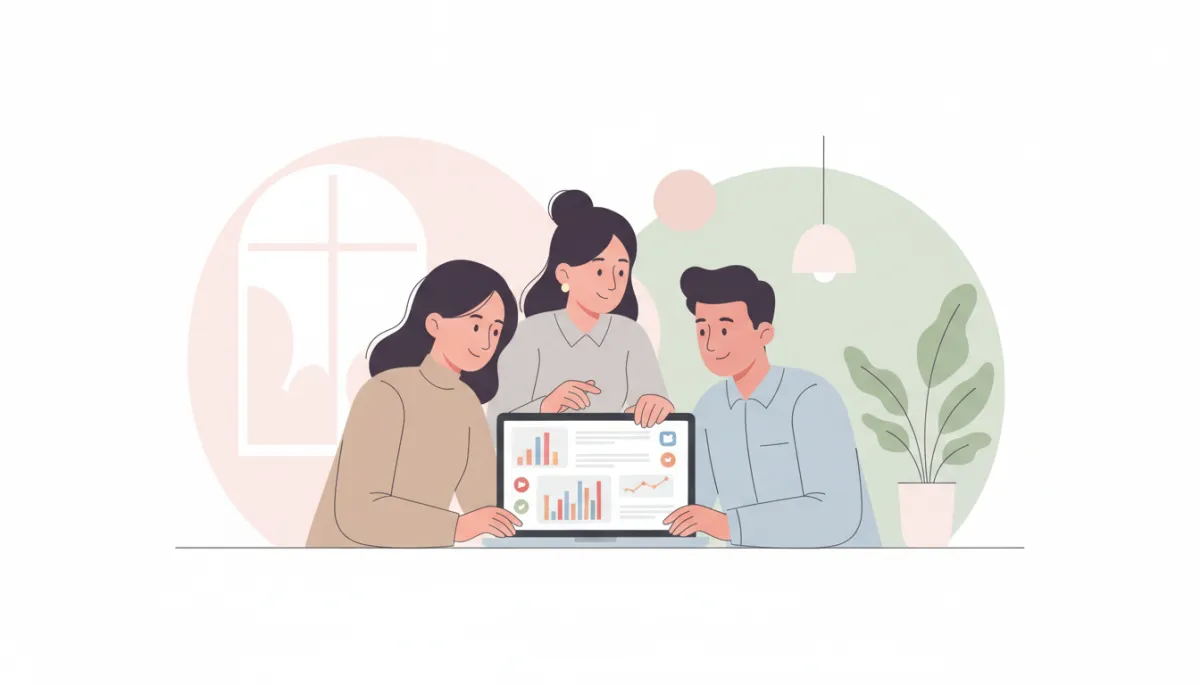
Tracking real data helps artists refine campaigns instead of guessing what works.
Build Real Relationships, Not Just Numbers
Algorithms change constantly, but one thing stays steady: people support artists they feel connected to. Reply to comments, thank fans who share your music, and remember the names of superfans who show up repeatedly. Consider a simple email newsletter or private community where you can speak more personally than on public feeds crowded with noise.
Relationships also extend to other artists, producers, and curators. Share others’ work you genuinely love, collaborate on content, and play shows together. Often, the most powerful music marketing “strategy” is simply being a generous, reliable presence in your scene, online and offline.
Measure, Learn, and Adjust Over Time
Finally, treat your music marketing as an ongoing experiment. Check your streaming dashboards, social media insights, and email stats regularly, but focus on trends rather than single posts. Which songs keep listeners coming back? Which content formats lead to more saves, follows, or ticket sales? Use those answers to shape your next release strategy instead of starting from scratch each time.
With clear goals, consistent storytelling, and a willingness to learn, you can turn scattered promotion into a thoughtful marketing system. Over time, that steady approach helps transform casual listeners into a loyal audience that grows with every release.
