Music Industry 2026: Trends and Innovations
Music Industry, News & Trends
The Music Industry in 2026: News, Numbers, and the Trends Redefining Sound
From AI‑generated hits and superfan economies to vinyl’s unlikely boom and R&B’s resurgence, 2026 is proving to be one of the most transformative years the music business has ever seen. Here’s a clear, up‑to‑date look at the biggest news and trends shaping how music is created, discovered, and monetized right now.
A Growing Global Business: Streaming Still Leads, but It’s Not Alone
The music industry is not just surviving in 2026—it’s expanding. According to the IFPI Global Music Report 2026, global recorded music revenues grew by 6.4% in 2025, reaching $31.7 billion, with paid streaming now accounting for just over half of the market (52.4%) (musikindustrie.de). Subscriber numbers continue to climb, with roughly 837 million people paying for music streaming worldwide.
In the U.S., recorded music hit about $11.5 billion in 2025, driven largely by streaming, but the story doesn’t end online. Vinyl remains a powerful force: physical music grew by 8% globally, with vinyl alone up 13.7% (musikindustrie.de). Early 2026 data shows more than 11 million vinyl units sold in Q1 (chartlex.com), proving that fans still crave tangible, collectible formats alongside playlists.
AI Floods the Market—But Human Connection Still Wins
One of the most dramatic shifts is the rise of AI in music creation. Platforms like Deezer report that nearly 44% of new uploads are now AI‑generated, up from just over 30% at the end of 2025 (techradar.com). Tens of thousands of AI tracks are being uploaded every day across services, turning quantity into a serious challenge for discovery and curation (collabhouse.com).
Yet despite this flood, AI music still represents less than 1% of total streams (advanced-television.com). Listeners are clearly curious, but they still gravitate toward artists with stories, identities, and communities. The controversy around AI artist IngaRose, who topped iTunes charts in April 2026, underlined a central tension: fans may enjoy synthetic sounds, but they continue to debate what “authentic” artistry really means.
Behind the scenes, the industry is tightening its grip. Deezer says 85% of AI music streams in 2025 were fraudulent (IFPI via aimusicpreneur.com), sparking tougher filters, AI labels, and spam detection. Major companies—Sony, UMG, WMG, Merlin, Believe, and Spotify—have formed one of the broadest AI licensing coalitions ever to demand permission and payment for training data (aimusicpreneur.com).
📌 Key Takeaway: AI is everywhere in music production, but the value still lies in trust, identity, and story—things audiences associate with human creators.
Streaming, Royalties, and a New Superfan Economy
Streaming platforms remain the industry’s backbone, but the focus is shifting from raw play counts to deeper engagement. Spotify’s 2025 Loud & Clear report revealed more than $11 billion paid out to the music industry in a single year, bringing lifetime payouts close to $70 billion (musicradar.com). Notably, over a third of artists earning at least $10,000 on Spotify were self‑released, signaling a growing class of independent earners.
In 2026, success on digital service providers (DSPs) is measured less by one viral spike and more by saves, follows, playlist adds, and direct fan messaging (octiive.com). Platforms are building tools around superfans: Spotify’s new licensing feature lets listeners legally create covers and remixes from participating catalogs, automatically handling credits and payouts, while its “Reserved by Spotify” perk offers Premium users priority access to tour tickets (newsroom.spotify.com). Streaming is no longer just about passive listening—it’s a gateway to live shows, merch, and fan‑made content.
Fans as Co‑Creators: Direct‑to‑Fan, Micro‑Communities, and Iterative Music
With more than 150,000 new tracks uploaded every day (collabhouse.com), the real challenge in 2026 is visibility. To stand out, artists are moving beyond algorithm‑only strategies and building owned communities—email lists, Discord servers, private groups—where they control the relationship and data rather than renting it from platforms.
Music itself is becoming more collaborative. Many artists now release snippets, demos, and alternate versions before a final track, actively inviting feedback and turning fans into co‑producers (collabhouse.com). Instead of disappearing into the studio for a year, they build momentum through regular drops and behind‑the‑scenes storytelling. In this landscape, “slow and steady” engagement often beats a single viral moment.
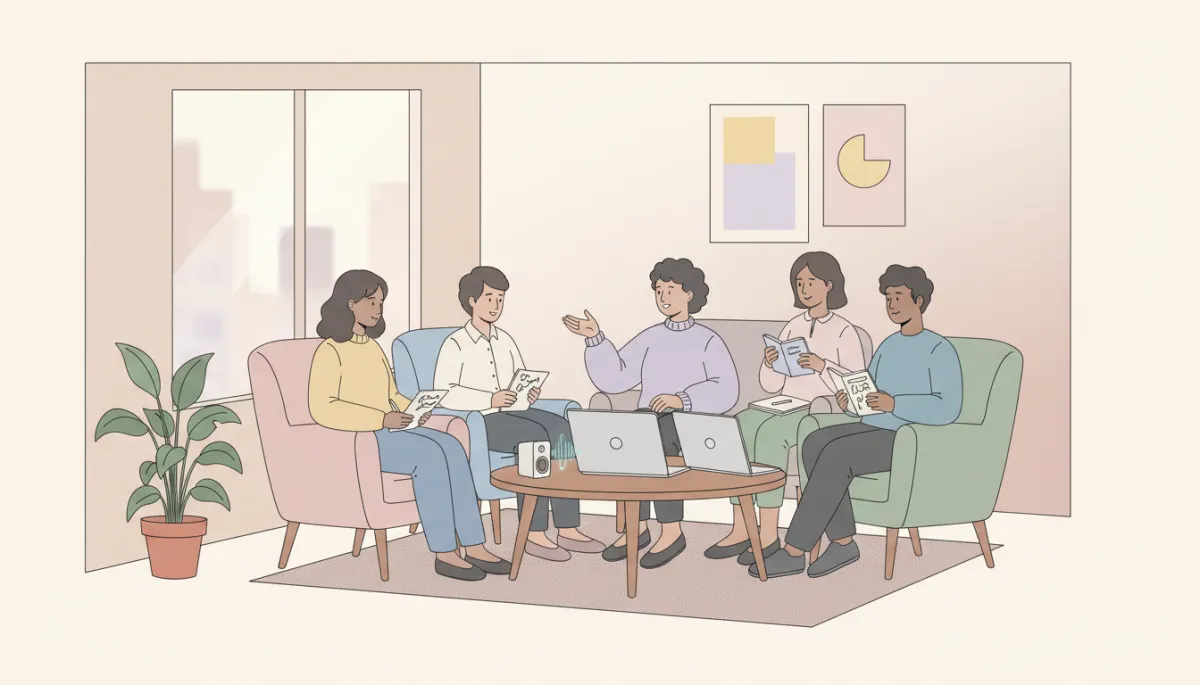
Micro-communities turn casual listeners into superfans who shape the music’s direction.
Genre Shifts: Fusion Everywhere and R&B’s Big Return
Genre lines are blurrier than ever. 2026 is dominated by hybrid sounds: hyper‑R&B, Latin‑drill, Afro‑alt‑pop, trap‑pop and other cross‑pollinated styles are moving from niche to mainstream (marinationmusic.com). For listeners, playlists are built around moods and aesthetics more than strict categories, giving artists permission to experiment without worrying about where they sit in the record store rack.
One standout story is the resurgence of R&B. A new wave of artists is combining classic soulful songwriting with modern production, social‑media storytelling, and tour‑first strategies. According to songspin.fm, these acts are turning R&B into both a streaming force and a lucrative live genre, reconnecting younger audiences with emotionally rich, vocal‑driven music.
Live Shows, Festivals, and the Power of Physical Experiences
After years of uncertainty, live music is roaring back. Global touring in 2026 is close to, and in some regions exceeding, pre‑pandemic highs (reddit.com). June alone is packed: major artists are filling venues in cities like Charlotte, NC, while festivals such as Primavera Sound 2026 in Barcelona (June 4–6) bring together acts like The Cure, Doja Cat, Gorillaz, The xx, and Massive Attack (wikipedia.org).
Award shows and cultural events are also thriving. The Brazilian Music Awards, Libera Awards, and ARIA’s 40th anniversary Hall of Fame celebration highlight how global and independent scenes are being recognized. Meanwhile, NPR’s Tiny Desk is honoring Black Music Month with a multigenerational lineup that underlines the deep influence of Black artists on every modern genre (vpm.org).
Policy, Ethics, and a Fairer Future for Working Musicians
As technology races ahead, lawmakers are scrambling to catch up. In the U.S., Representative Deborah Ross has introduced the Protect Working Musicians Act of 2026, which would give independent artists collective bargaining power with streaming platforms and AI companies over how their work is used and compensated (axios.com). The bill’s future is uncertain, but it reflects growing pressure for fairer rules in a world where AI tools like Suno are being valued in the billions.
Sustainability is also moving up the agenda. A coalition of labels—including Secretly Group, Warp, Ninja Tune, Beggars Group, and Exceleration Music—is releasing special editions pressed on 100% recycled vinyl for World Environment Day, featuring artists such as Bon Iver and Elliott Smith (shorefire.com). It’s a sign that environmental responsibility is becoming part of the brand story for both labels and artists.
💡 Pro Tip for Emerging Artists: Keep an eye on policy changes and ethical platforms—your choice of partners can be as important as your choice of producer.
The Big Picture: Where the Music Industry Is Headed Next
Taken together, the news and trends of 2026 point to a music ecosystem that is larger, more complex, and more participatory than ever. AI is transforming how songs are written and marketed, but audiences still reward authenticity. Streaming remains the financial engine, yet live events, vinyl, sync deals, and niche communities are equally critical to an artist’s long‑term career.
For artists, professionals, and fans alike, the opportunity in 2026 lies in embracing this mix: using technology without losing the human touch, nurturing tight‑knit communities instead of chasing everyone, and treating each song not just as a file on a server, but as the start of a deeper relationship. The music industry isn’t just changing—it’s widening the stage for those ready to step into the new era.
